

Automatic vs Quartz Watches: Which One Is Right For You?
Automatic watches are self-winding, mechanically powered and ideal for daily wearers who value heritage. Quartz watches are battery-powered, highly accurate, and low-maintenance. The better choice depends entirely on your routine.
At first glance, an automatic and a quartz watch can look nearly identical. Same elegant dial, same premium finish. But the way each one actually works couldn't be more different.
One relies on a mechanical movement, wound purely by the motion of your wrist, carrying forward a tradition of watchmaking that's centuries old. The other uses a battery-powered quartz crystal, built for precision and virtually effortless upkeep. Neither approach is right or wrong - they simply serve different kinds of wearers.
By the end of this guide, you'll know exactly which one fits the way you live and wear a watch.
What Is An Automatic Watch?
An automatic watch is a self-winding mechanical watch that runs entirely on your everyday movement, no battery needed. A small rotor inside winds the mainspring every time your wrist moves, and that's what keeps the watch ticking. As long as you wear it often enough, it doesn't need anything else to keep going.
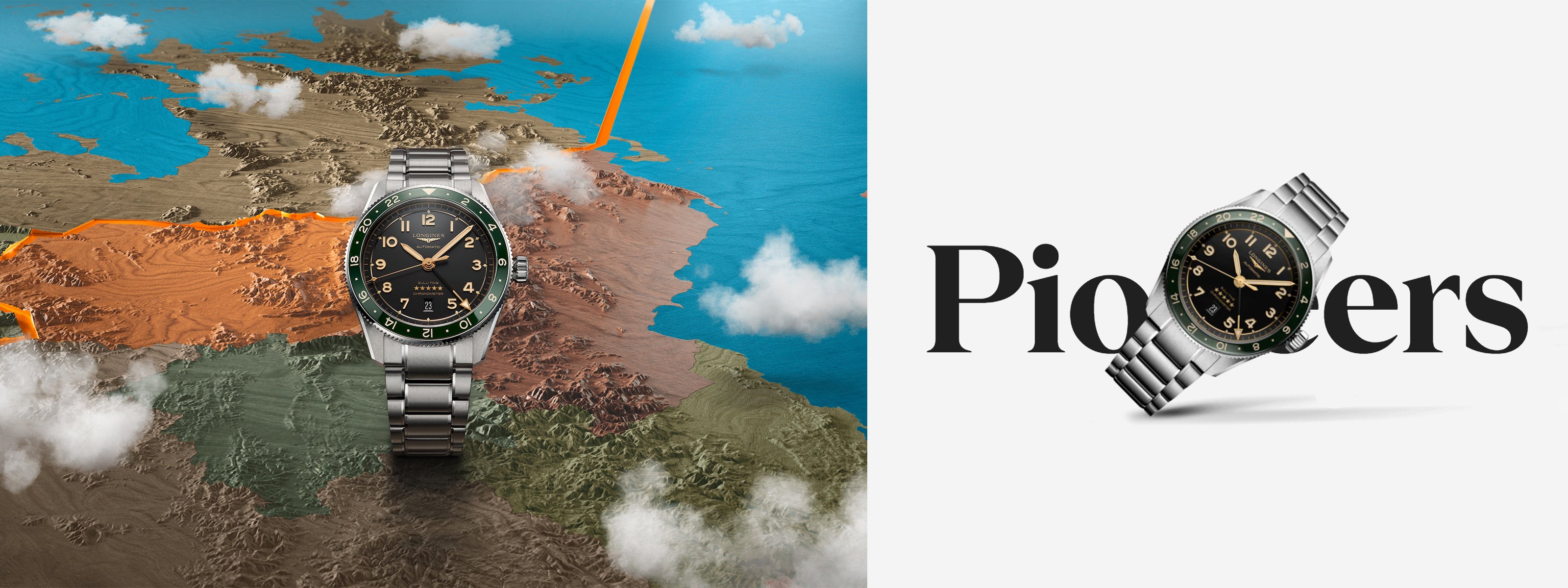
This is exactly the kind of thing heritage brands do best. Take the Longines Master Collection, which reflects decades of watchmaking tradition, or Omega's automatic pieces, built on movements refined over more than a hundred years.
Why People Love Automatic Watches:
- No battery required, ever
- Smooth sweeping seconds hand
- Appreciated for mechanical craftsmanship
- Can last generations with proper servicing
- A genuine heirloom piece, built for long-term wear
What Is A Quartz Watch?
At its core, a quartz watch is battery-powered, using a small quartz crystal that vibrates at a precise, unchanging frequency whenever current runs through it. That vibration is the secret to how accurate these watches are, often within seconds a month, which puts them well ahead of any mechanical movement.
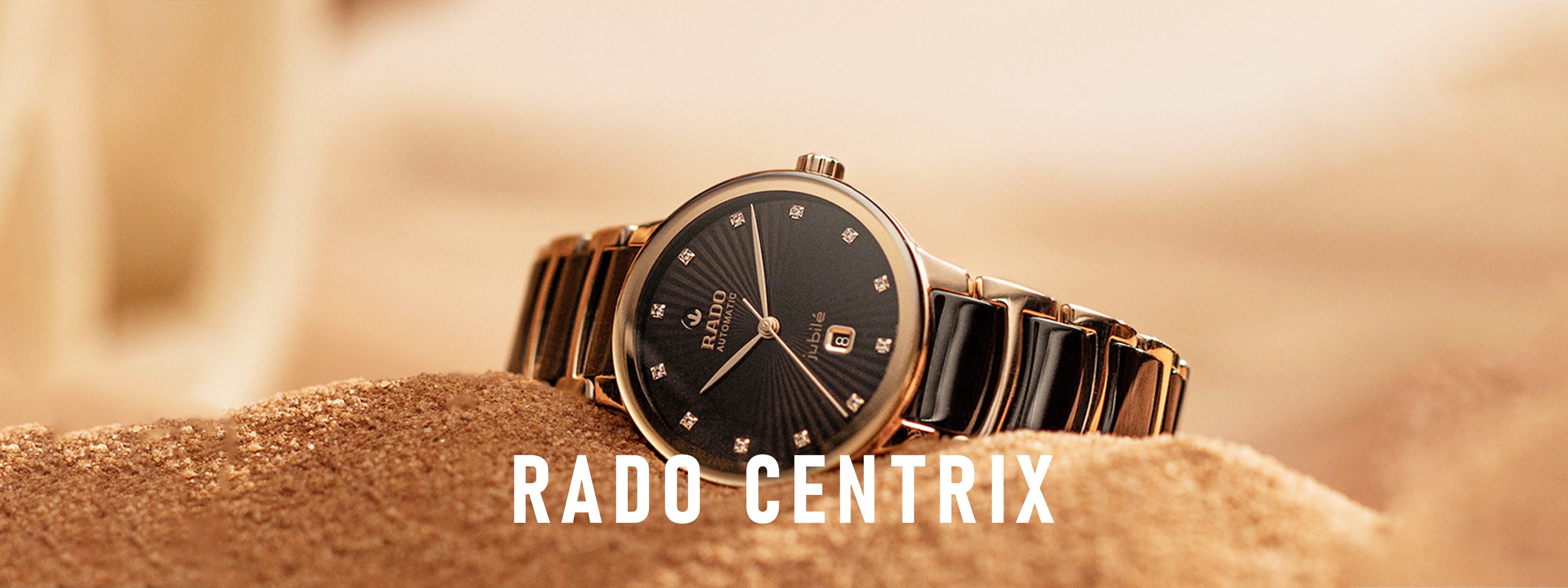
Rado is a great example of this precision-focused approach. The brand is equally known for its scratch-resistant, high-tech ceramic cases, which combine everyday durability with a case that feels effortless to wear.
Why People Love Quartz Watches:
- Outstanding accuracy with almost no time drift
- Virtually maintenance-free with no winding required
- Reliable for everyday, all-day wear
- Straightforward battery replacement every 1–2 years
- A dependable choice when convenience matters most
If you're still weighing the two, it usually comes down to a few key questions: how accurate does it need to be, how much upkeep are you willing to do, and what kind of experience do you want from wearing a watch. Here's how automatic and quartz stack up against each other.
| Factor | Automatic | Quartz |
| Powered By | Movement Of The Wrist | Battery + Quartz Crystal |
| Accuracy | Very Good | Exceptional |
| Upkeep | Servicing Every Few Years | Simple Battery Swaps |
| Feel On Wrist | Smooth Sweeping Motion | Precise, Steady Tick |
| Ideal For | Craftsmanship Lovers | Practical, Everyday Users |
| Investment Value | Often Appreciated As Heirlooms | Reliable Long-Term Value |
Which One Is Right For You?
Honestly, there's no single right answer here. It really comes down to how you wear a watch day to day, how much you enjoy being involved in caring for it, and whether heritage speaks to you more than hassle-free precision does.
Automatic may be the better fit if you:
- Genuinely appreciate mechanical artistry and the tradition it comes from
- Tend to wear the same watch most days of the week
- Want something you could realistically pass down one day
- Don't mind the occasional trip to a watchmaker for servicing
- Like the idea of a watch that gains character as it ages
Quartz may be the better fit if you:
- Care most about pinpoint accuracy
- Switch between a few different watches regularly
- Want minimal fuss, no winding, no thinking about it
- Need something dependable for work, travel, or daily errands
- Value practicality over mechanical detail
At the end of the day, both are excellent choices built by skilled watchmakers - the difference lies in what fits your routine. Some people settle on one; others happily wear both, depending on the occasion.
There's no universal winner in the automatic vs quartz watch debate, and there doesn't need to be. Automatic watches offer heritage, craftsmanship, and a sense of mechanical artistry passed down through generations. Quartz watches offer precision, convenience, and dependable everyday performance. Both are excellent - the best watch is simply the one that suits how you actually wear it.
If you're still undecided, that's exactly what we're here for.
Visit us at our Genuine & Gorgeous boutiques in Pitampura or Connaught Place, Delhi, where you can try both movements side by side and see which one feels right on your wrist. No matter what you choose, you're bringing home an authentic Swiss timepiece, backed by our expertise as an authorised retailer.
Frequently Asked Questions
Q1. Which one lasts longer: automatic or quartz watches?
Automatic watches generally have the longer lifespan of the two, largely because a watchmaker can service and replace mechanical parts as needed, sometimes for a hundred years or more. Quartz watches are dependable and low-fuss, but their circuitry does have a shelf life that mechanical parts don't. So the honest answer is: automatics tend to outlast quartz, but only if you're maintaining either one properly.
Q2. How often should an automatic watch be serviced?
Most automatic watches ask for a service every 4 to 5 years. During this process, a watchmaker cleans and re-lubricates the tiny moving parts inside, which keeps timekeeping accurate and prevents wear from building up. Think of it the way you'd think of servicing a car engine. It's routine upkeep, not a red flag that something's wrong.
Q3. How long does a quartz watch battery last?
On average, a quartz battery holds up for about 1 to 2 years. Watches with added features, like a chronograph, will typically need a new one sooner. The good news is that a replacement is easy and takes almost no time at all, so keeping a quartz watch running rarely feels like a chore.
Q4. Which is more expensive: automatic or quartz watches?
Automatic watches usually carry the higher price tag because of everything that goes into building the movement by hand, from the craftsmanship to the sheer number of tiny parts involved. Quartz watches, on the other hand, cover a much wider price range. You'll find everyday pieces at accessible prices alongside premium quartz models, so there's more room to fit different budgets.
Q5. Can I switch between automatic and quartz watches?
Absolutely. Many people rotate between the two depending on the day. An automatic tends to get worn for special occasions or when its craftsmanship feels worth showing off, while a quartz watch is the easy choice for travel or a packed work schedule. Owning both simply means you're covered either way.

Written by Genuine & Gorgeous


Leave a comment
This site is protected by hCaptcha and the hCaptcha Privacy Policy and Terms of Service apply.