

Article: Swiss Watchmaking Explained: What Makes Swiss Watches So Special?
Swiss Watchmaking Explained: What Makes Swiss Watches So Special?
Swiss watches are special because Swiss watchmakers have been refining the craft since the 16th century, and the Swiss Made label now backs that experience with legally protected standards.
Ask ten people what makes a good watch, and you will hear ten different answers. Ask which country makes the best ones, and the replies converge quickly.
Switzerland has held that position in the public mind for generations, and Swiss Made has become one of the best-known marks of origin in consumer goods. Collectors, first-time buyers and gift shoppers all use it as a starting filter when they begin looking at fine watches.
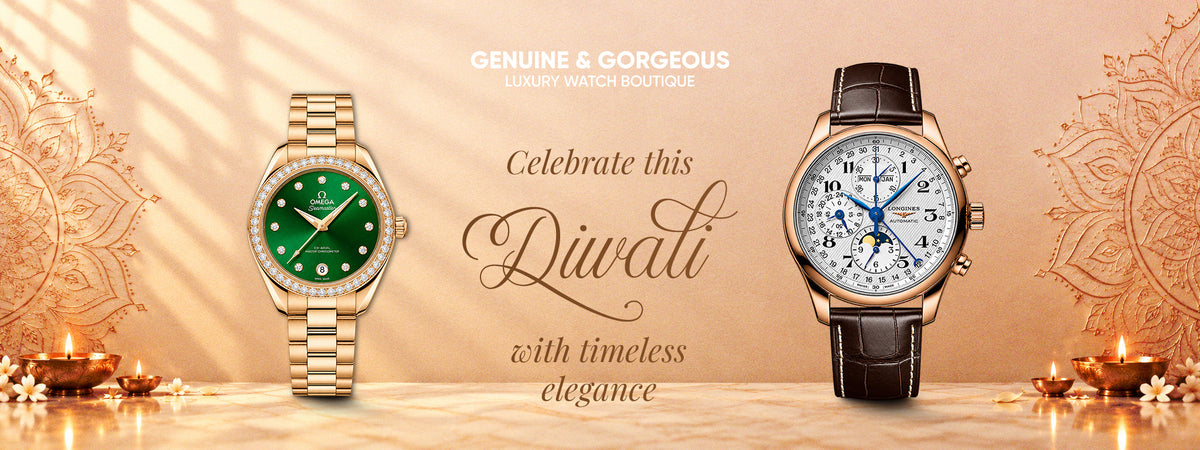
Genuine & Gorgeous brings together authentic Swiss watches from some of the world's most recognised watchmakers. While each brand has its own identity, their shared appreciation for precision, innovation and craftsmanship speaks to a much larger legacy. Here's a closer look at what has made Swiss watchmaking a benchmark for generations.
How Did Switzerland Become The Centre Of The Global Watchmaking Industry?
Swiss watch heritage begins in 16th-century Geneva. When the city restricted the wearing of jewellery, local goldsmiths turned their skills to a new product: the portable timepiece. Their command of precious metals, engraving and enamelling gave early Geneva watches a reputation for finish that travelled well beyond the city.
The craft then spread into the Jura Mountains, where farming families took up watch assembly during the long winters, and the Vallée de Joux and Le Locle gradually became watchmaking regions in their own right. Specialised workshops produced movements, dials and cases separately, a division of labour that raised both quality and output.
From there, the Swiss watch industry kept evolving. Pocket watches gave way to wristwatches in the early 20th century, and Swiss makers responded with smaller, more refined movements and new case designs. Generations of skill passed from workshop to workshop, and that continuity turned a regional trade into the centre of global horology.
What Makes Swiss Watches Different From Other Watches?
Plenty of countries make good watches. Swiss watchmaking stands apart for three reasons.
- Precision and innovation: Swiss makers build movements to tight tolerances, test them across positions and temperatures, and often seek independent chronometer certification. Silicon hairsprings and antimagnetic movements show how that precision keeps improving, whether the watch is mechanical, automatic (self-winding) or quartz.
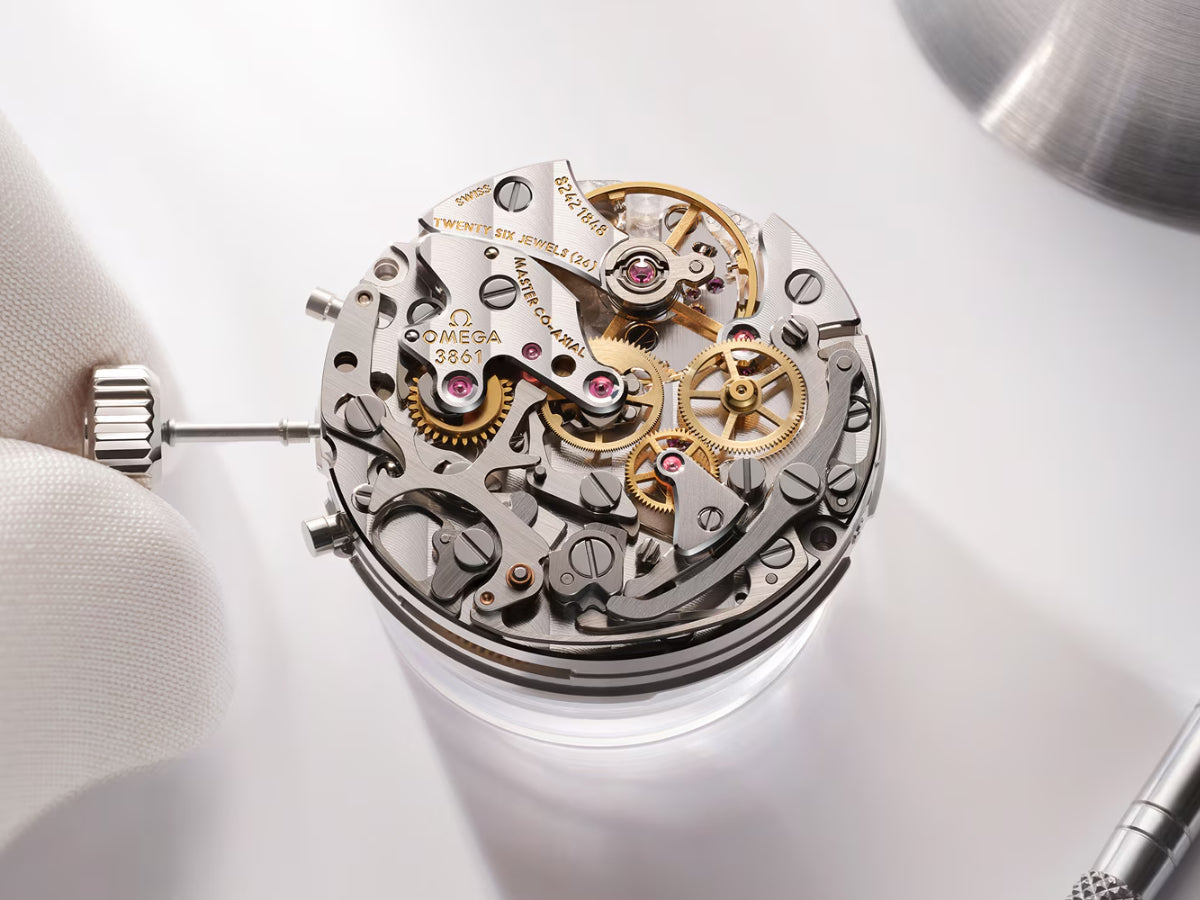
- Swiss watch craftsmanship: Finer watches contain dozens of tiny components, many assembled and adjusted by hand. Polished bevels and decorated movements are small details, but they are where the craft becomes visible.
-
Swiss-made standards: Swiss Made is legally protected. A watch needs a Swiss movement, and it must be cased up and given its final inspection in Switzerland, with at least 60% of manufacturing costs incurred there.
Which Swiss Watch Brands Should You Look At First?
The right Swiss brand depends on what you want from a watch. These four cover most of the range, and each has a collection worth starting with.
Omega The Seamaster handles water and daily wear, and the Speedmaster, qualified by NASA for spaceflight, is the brand’s best-known chronograph. Many Omega watches carry METAS Master Chronometer certification, which tests accuracy and magnetic resistance.
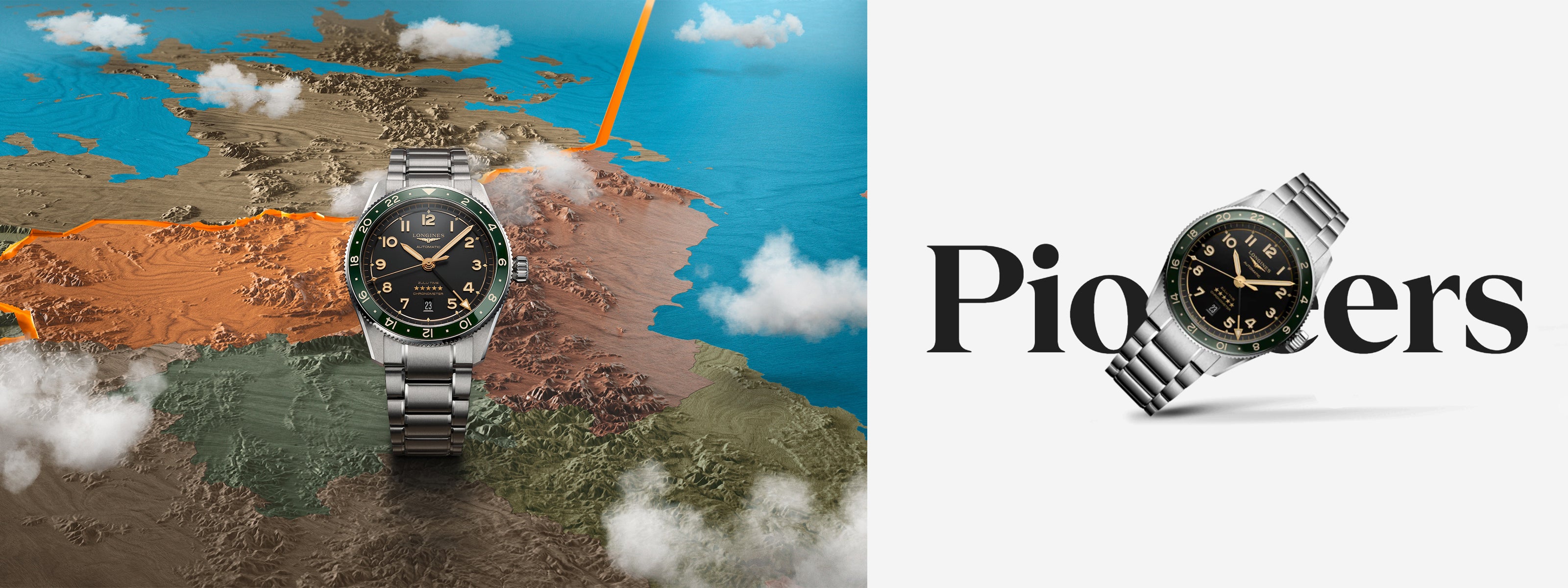
Longines Longines has been making watches in Saint-Imier since 1832, and that tradition shows in the Master Collection. The HydroConquest gives the same brand a sportier, water-resistant character.
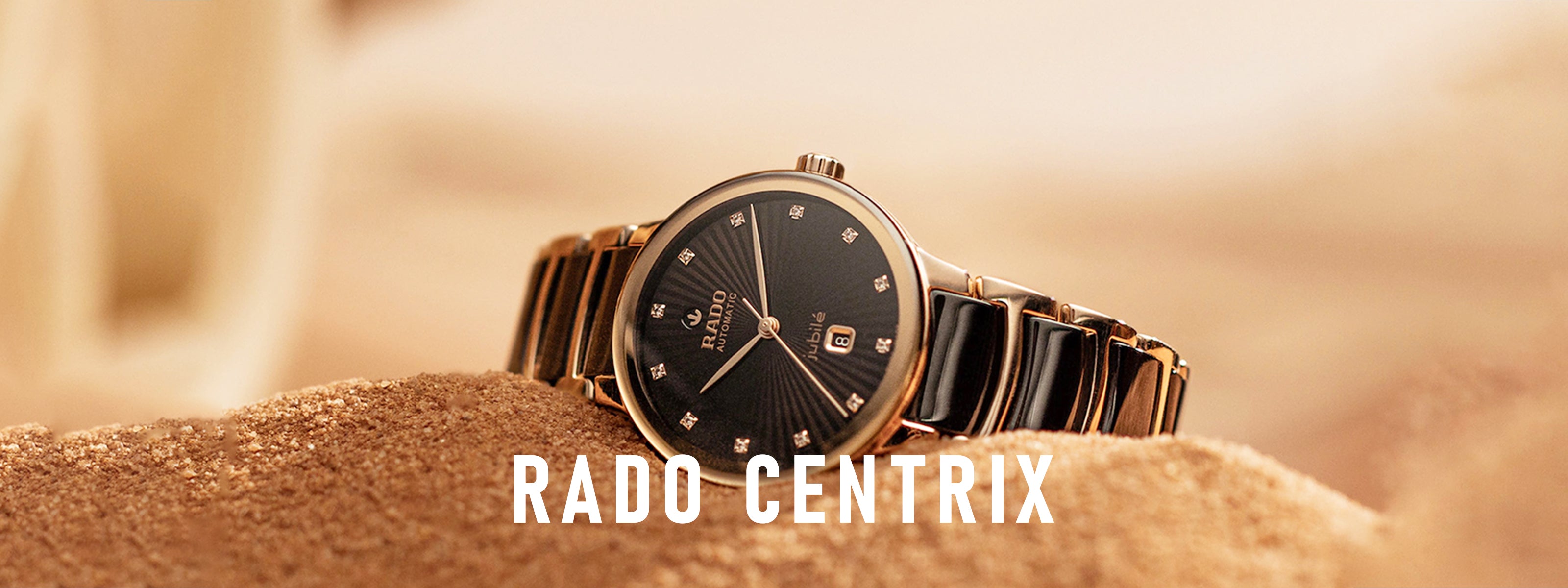
Rado Rado’s high-tech ceramic watches are light, hard-wearing and resistant to scratches. Start with the Captain Cook High-Tech Ceramic Automatic Chronograph for a technical, sporty look, or the True Square Automatic for a more design-led choice.
Tissot Founded in Le Locle in 1853, Tissot offers Swiss watchmaking heritage at an accessible price. The PRX 40mm suits daily wear, and the Seastar 1000 40mm is a sportier alternative.
At Genuine & Gorgeous, you can browse all four brands in one place, with the assurance of an authorised retailer. Comparing a few side by side is often the quickest way to find the one that suits you.
| Brand | Known For | Best For | Price Range |
| Omega | Precision and prestige | A prestige watch with range | ₹₹₹₹ - ₹₹₹₹₹ |
| Longines | Heritage and traditional craftsmanship | Classic dress watches | ₹₹₹₹ - ₹₹₹₹₹ |
| Rado | High-tech ceramic and design | Light, scratch-resistant, design-led watches | ₹₹₹ - ₹₹₹₹₹ |
| Tissot | Accessible Swiss watchmaking | Everyday wear at an accessible price | ₹ - ₹₹₹ |
Swiss watches have earned their reputation. A watchmaking tradition dating back to the 16th century, movements built to tight tolerances and a legally protected 'Swiss Made' label explain why the name still carries so much weight with buyers.
Omega, Longines, Rado and Tissot show how varied that tradition has become, from prestige chronographs to ceramic design pieces and accessible everyday watches. Whatever your budget, Swiss Made gives you the same assurance of origin, and that is a solid place to start.
To see them for yourself, visit Genuine & Gorgeous. Our multi-brand store in Pitampura brings several Swiss brands together under one roof, and our Tissot store in Connaught Place is dedicated to that brand. Try a few on, and choose the one that feels right.

Frequently Asked Questions
Q1. What makes Swiss watches so special?
Swiss watches stand out for their watchmaking heritage, tight accuracy standards, careful finishing and the legally protected Swiss Made label. Together, these give buyers a level of consistency they have trusted for generations.
Q2. Which are the most popular Swiss watch brands?
Omega, Longines, Rado and Tissot are among the best-known Swiss watch brands. Each has its own strength: Omega for prestige, Longines for heritage, Rado for ceramic and Tissot for everyday value.
Q3. How can you tell if a Swiss watch is genuine?
Buy from an authorised retailer and check for the Swiss Made marking, the brand’s serial number, the original box and the warranty card. If a price looks far too low, be cautious.
Q4. How often does a Swiss watch need servicing?
Mechanical and automatic watches generally benefit from servicing every few years, though the exact interval varies by brand and model. Quartz watches need less attention, mainly battery changes. Always follow the manufacturer’s guidance.
Q5. Where can you buy authentic Swiss watches in New Delhi?
Genuine & Gorgeous is an authorised retailer of Swiss watch brands. Our multi-brand store in Pitampura stocks several brands, and our Tissot store in Connaught Place is dedicated to Tissot.

Leave a comment
This site is protected by hCaptcha and the hCaptcha Privacy Policy and Terms of Service apply.